What is quartz glass?
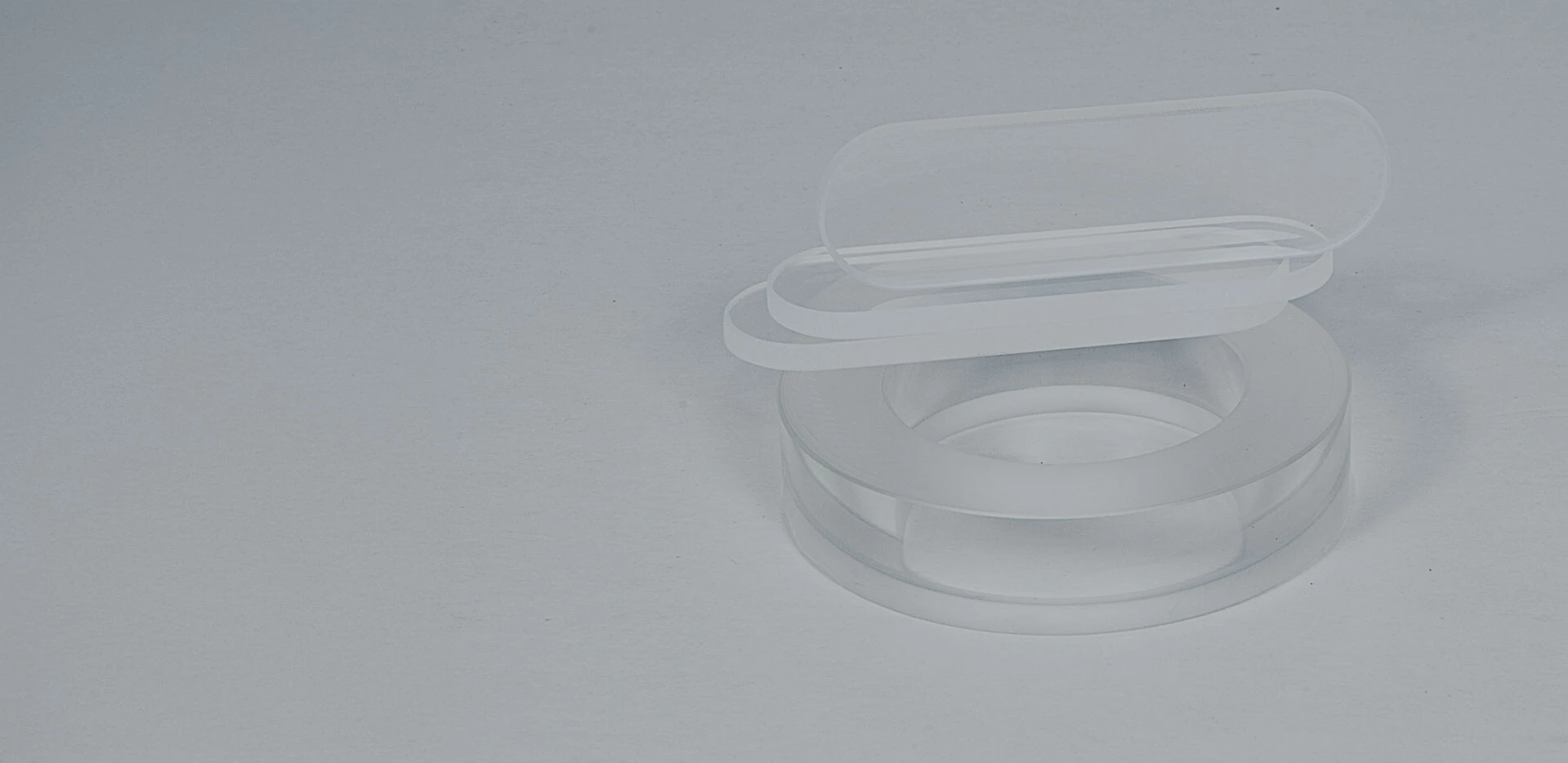
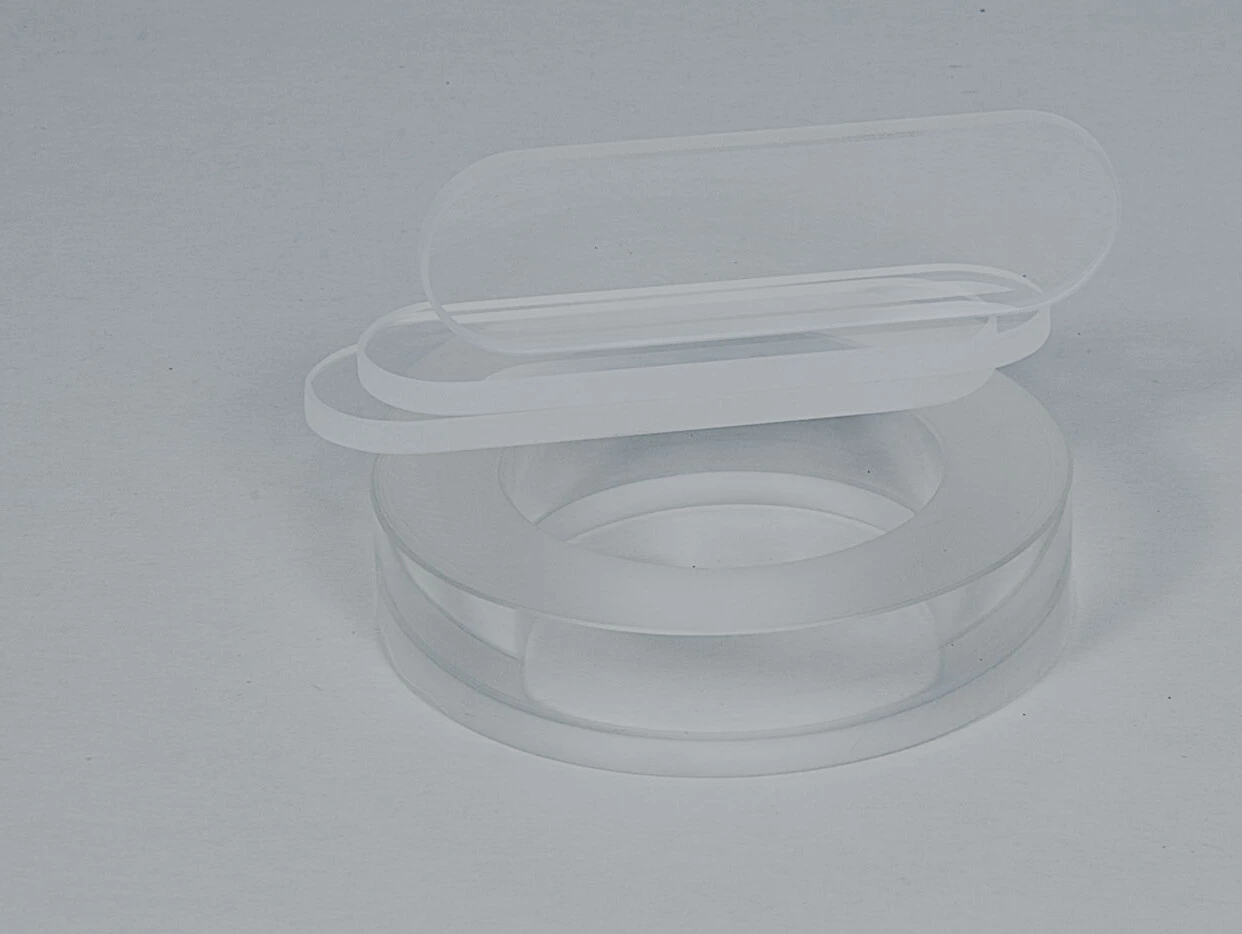
Quartz glass is a high-purity single-component glass, consisting of pure silicon dioxide (SiO₂). Due to its unique physical, chemical, and optical properties, it has established itself as an indispensable material in industry, science, and technology. In this article, we outline the characteristics, manufacturing methods, and applications of quartz glass, as well as our expertise in processing and applying this extraordinary material.
- Composition: Pure SiO₂ without the addition of sodium carbonate or calcium oxide
- Availability: In opaque and clear forms
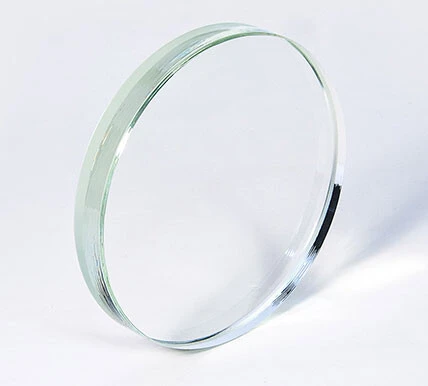
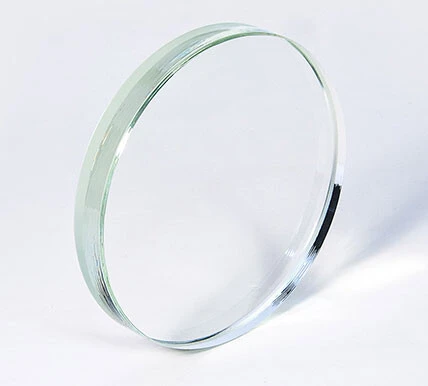
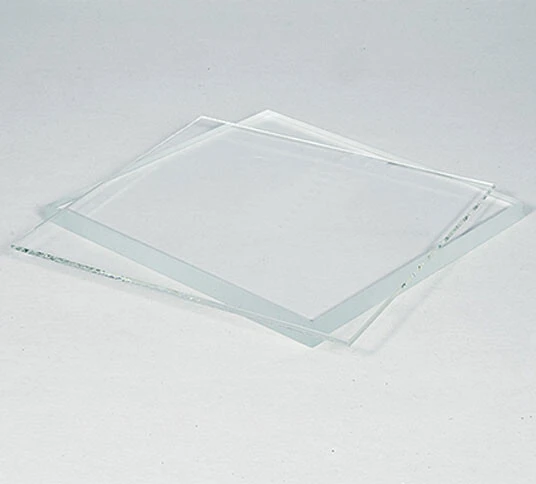
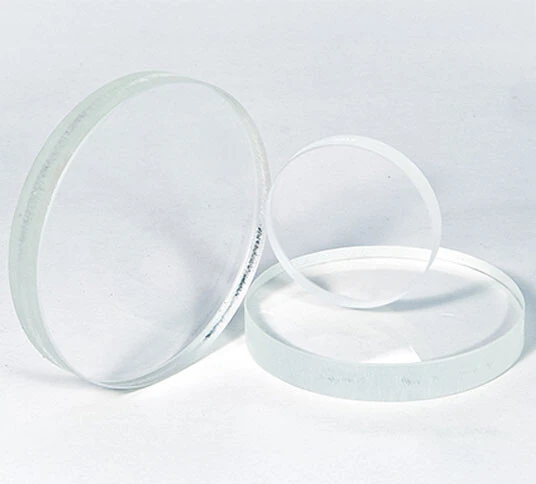
- Forms: Plates, tubes, bowls, laboratory glassware, special shapes
- Areas of application: Versatile use in industry and science
Expertise: Our expertise in the precise processing of quartz glass enables us to develop customized solutions for the most demanding applications.
| Property | Advantage | Application |
|---|---|---|
| High purity | Excellent transmission for IR and UV radiation (180 nm – 3.5 µm) | Optics, measurement technology |
| Thermal resistance | Low coefficient of thermal expansion, high thermal shock and softening resistance | High-temperature processes |
| Chemical resistance | Resistant to nearly all acids and alkalis | Labor equipment |
| Electrical properties | High penetration strength | Electronics, Electrical engineering |
| Optical quality | High purity and radiation resistance | Optics, measurement technology |
Note: Only weakness: Sensitive to flow and phosphoric acid.
Manufacturing Methods
Features: High purity, low OH content (<1-30 ppm), suitable for UV-C applications
Applications: Disinfection systems, optics
Features: Increased homogeneity, higher OH content (<200 ppm), lower transmission in the IR range
Application areas: General industrial applications
Features: Extremely high purity, bubble-free, transmission already < 200 nm
Applications: Optical fibers, high-end optics
Natural Quartz Glass
Properties:
- Tmax. short-term: up to 1400 °C
- Transmission: 200–3400 nm
Applications:
- UV lamp systems, sight glasses in high-temperature systems, chemical and pharmaceutical industry
Synthetic Quartz Glass
Manufacturing: Condensation of SiO₂ soot particles at extremely high purity
Advantages:
- Transmission < 200 nm, ideal for UV applications
- Low fluorescence, nearly bubble-free
Applications:
- Optical fibers, ultrapure water, high-tech optics
Comparison: Quartz glass vs. Borosilicate glass
| Property | Quartz glass (natural) | Quartz glass (synthetic) | Borosilicate glass |
|---|---|---|---|
| Thermal expansion | 0.54 x 10⁻⁶ K⁻¹ | 0.54 x 10⁻⁶ K⁻¹ | 3.25 x 10⁻⁶ K⁻¹ |
| Tmax. Short-term | 1400°C | 1200°C | 500°C |
| Transmission | 200–3400 nm | < 200–1900 nm | 370–2000 nm |
Tips for Cleaning and Handling
Cleaning:
- Remove grease with ethanol, then clean with deionized water
- Do not use alkaline cleaning agents
- For stubborn dirt: 5% hydrofluoric acid, max. 2–3 minutes
Handling:
- Only touch with clean gloves
- Remove alkaline residues before high-temperature use
Conclusion
Quartz glass is not just a material, but a key material for numerous industrial and scientific applications. Thanks to our extensive material knowledge and comprehensive manufacturing expertise, we are able to offer you highly specialized solutions - tailored to your individual requirements.
Contact us to learn more about our products and services in the field of quartz glass. We are here to assist you with our expertise!
A project in mind?
We can help you!
Feel free to contact us and we will discuss together how we can assist you!