Download datasheet Datasheet
Product video Product video
similar to DIN 11851 / EN 10357
Screwed sight glass Type 327 for working pressures up to 10 barg
Non binding • Usually a response within 24 hours

The Type 327 screw-type sight glass fitting is a round vessel sight glass for hygienic applications designed in accordance with DIN 11851 / EN 10357. It is suitable for the visual monitoring of processes in systems with stringent requirements for hygiene, cleanability and reliable sealing.
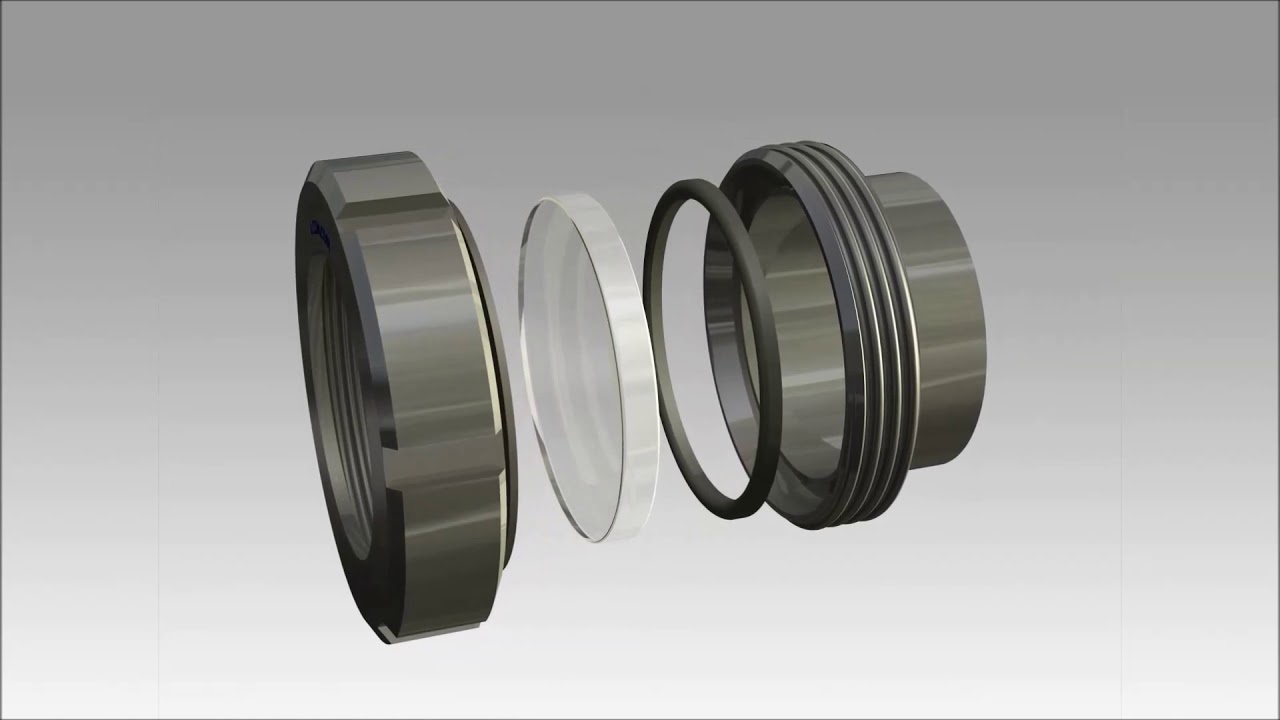
Its design, featuring a threaded nozzle, slotted nut and specially shaped D-ring seal, allows the screw-type sight glass to be integrated securely and permanently into process systems. The media-contacting viewing opening is reliably sealed by a borosilicate glass disc according to DIN 7080.
Type 327 is designed for operating pressures of up to 10 barg and is available in nominal sizes from DN 25 to DN 150. Depending on the version, operating temperatures of up to 200 °C are possible.
The Type 327 screw-type sight glass fitting consists of a threaded nozzle, a slotted nut, a glass cushion, a sight glass disc and a D-ring seal. This design ensures reliable sealing and securely holds the individual components in place.
On the media-contacting side, a borosilicate glass disc according to DIN 7080 seals the sight glass. Borosilicate glass offers high chemical resistance and is suitable for visual process monitoring in hygienically demanding applications.
Various sealing materials are available, including NBR, EPDM, silicone, FKM (Viton®) and PTFE. The appropriate sealing material is selected according to the medium, temperature, pressure and cleaning requirements.
Type 327 can optionally be equipped with an SGW sight glass wiper or an LED light for vessel sight glasses. These accessories allow the visual inspection, cleaning of the glass surface and illumination of the vessel interior to be adapted to the specific application.
The Type 327 screw-type sight glass is used in system areas where processes must be monitored visually while meeting stringent hygiene and sealing requirements.
Its design in accordance with DIN 11851 / EN 10357 makes the fitting particularly suitable for applications involving dairy pipe unions, open pipe nozzles and hygienically designed piping systems.
Typical applications include the food industry, medical technology, hygienic process systems, systems for processing liquid media and industrial environments with increased requirements for cleanability, visual inspection and reliable sealing.
| DN | 25 | 32 | 40 | 50 | 65 | 80 | 100 | 125 | 150 |
|---|---|---|---|---|---|---|---|---|---|
| D1 [mm] | 26 | 32 | 38 | 50 | 66 | 81 | 100 | 125 | 150 |
| D2 [mm] | 29 | 35 | 41 | 53 | 70 | 85 | 104 | 129 | 154 |
| D3 [mm] | 63 | 70 | 78 | 92 | 112 | 127 | 148 | 178 | 210 |
| L [mm] | 37 | 40 | 41 | 43 | 48 | 54 | 64 | 58 | 60 |
| Weight [kg] | 0.31 | 0.40 | 0.50 | 0.70 | 1.10 | 1.61 | 2.27 | 3.10 | 5.30 |
| Surface Inside Ra ≤ 0.8 μm | |||||||||
Type 327 is used for visual monitoring of processes in systems with high hygiene requirements. The valve is particularly suitable for applications in which media or process conditions need to be reliably monitored. Typical areas of application include the food industry, the medical field, and hygienic process engineering.
The Type 327 screw-on sight glass assembly is designed in accordance with DIN 11851 / EN 10357. This makes it suitable for plant areas with hygienically designed piping systems, milk pipe fittings, and corresponding connection geometries. Its design ensures a secure seal and stable integration into the process.
Type 327 is available in nominal diameters ranging from DN 25 to DN 150. This means the valve covers typical connection sizes in hygienic process plants and piping systems. The selection of the appropriate nominal diameter depends on the installation situation, pipe dimensions, and application.
The screw-on sight glass is designed for operating pressures up to a maximum of 10 barü. The permissible load may vary depending on the model, nominal diameter, seal, and operating conditions. For a specific design, the medium, temperature, and pressure should be considered together.
Available options include the SGW sight glass wiper and an LED light for non-hazardous areas. These options allow for adaptation to various requirements, such as improved visibility and lighting. The appropriate model depends on the process, medium, and cleaning requirements.