Download datasheet Datasheet
Product video Product video
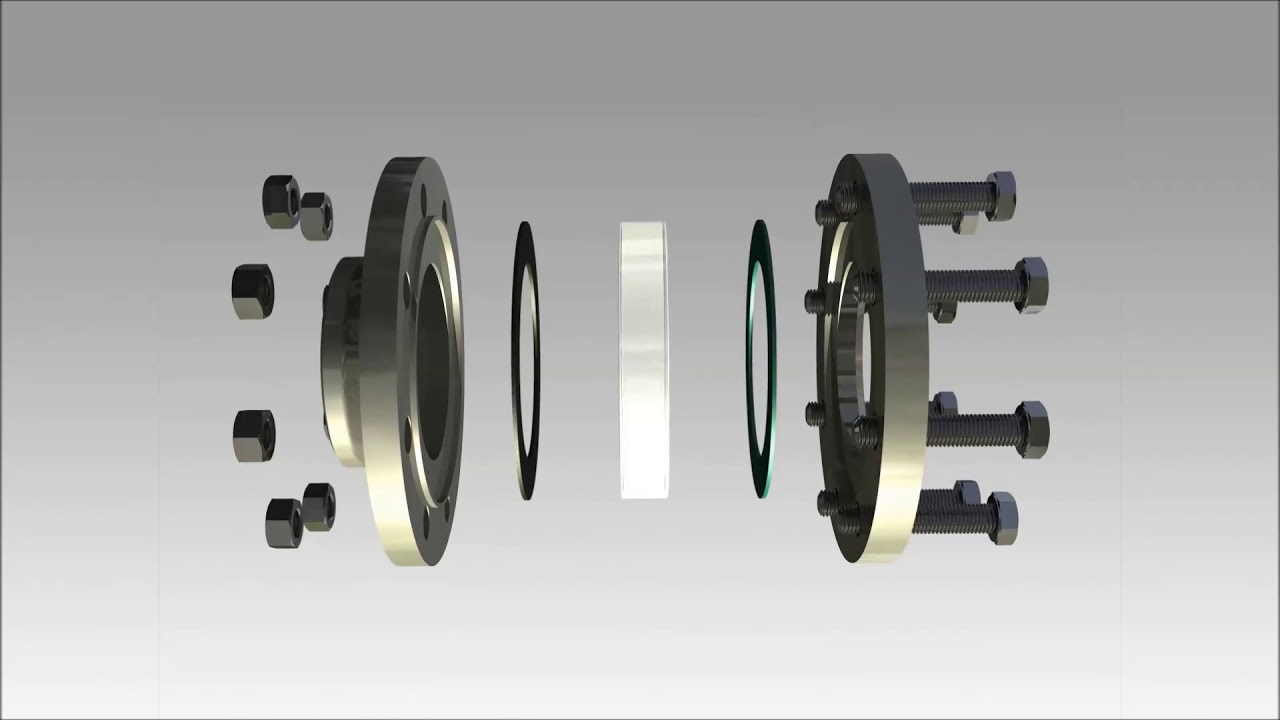
with Welding ends according to DIN EN 1092-1 Type 11
Tank sight glass PN 16 | PN 40 | PN 63 | PN 100 | PN 160 | PN 250 | PN 320
Non binding • Usually a response within 24 hours

The round sight glass fitting Type 390 is a vessel sight glass with welding necks for visual inspection or illumination of processes in vessels and apparatus. It is welded onto a pipe nozzle or directly into a vessel wall and enables safe visual inspection.
Type 390 is designed with welding necks according to DIN EN 1092-1 Type 11 and is suitable for operating pressures up to max. 320 barg and operating temperatures of up to 280 °C. A sight glass made of chemically highly resistant borosilicate glass according to DIN 7080 is clamped between two flanges.
The round sight glass fitting Type 390 is available in nominal sizes DN 15 to DN 350 and covers the pressure ratings PN 16, PN 40, PN 63, PN 100, PN 160, PN 250 and PN 320.
It is suitable for monitoring liquid and gaseous media in vessels, apparatus and pipe nozzles where a welded sight glass solution with high pressure resistance is required.
The sight glass fitting Type 390 is manufactured from various stainless steels. Our standard material is 1.4571. The fitting is designed for use on pipe nozzles, vessel walls and technical apparatus. Industrially proven borosilicate glass according to DIN 7080 is used as the sight glass plate.
For sealing, numerous flat gasket materials are available. These include PTFE, NBR, novaphit® MST-XP, KlingerSil® C4400 and other gasket materials for different media, temperature and process requirements.
Depending on the medium, temperature and installation situation, Type 390 can be equipped with additional protection and resistance options. Mica protection screens support use in thermally demanding processes, while FEP or Halar® coatings protect the borosilicate glass on the media side in applications involving aggressive media. This allows the sight glass fitting to be specifically adapted to chemical, thermal and process-related requirements.
For a clearer view of the process, the vessel sight glass can be equipped with an SGW sight glass wiper and with LED lights for hazardous and non-hazardous areas. Special designs can be reviewed and implemented according to the application.
Typical applications for the round sight glass fitting Type 390 include vessels, apparatus, pipe nozzles and technical plants where visual inspection directly through a welded fitting is required.
Type 390 is particularly suitable for applications with liquid or gaseous media, high operating pressures and demanding process conditions in vessel, apparatus and plant engineering.
Type 390 is designed for applications on containers, vessels and pipe stubs where a sight glass fitting is to be welded in. The fitting enables visual inspection or illumination of the container interior and is suitable for liquid as well as gaseous media at high operating pressures.
The Type 390 covers the pressure ratings PN 16, PN 40, PN 63, PN 100, PN 160, PN 250 and PN 320. Depending on the design, operating pressures of up to max. 320 barg are possible. This makes the fitting suitable for demanding applications with high pressure requirements.
The Type 390 is welded onto a pipe stub or directly into a container wall. The fitting is manufactured with Welding ends according to DIN EN 1092-1 Type 11 and thereby provides a secure, robust connection to the plant.
The round sight glass fitting Type 390 is available in nominal sizes DN 15 to DN 350. This covers a wide spectrum from smaller viewing openings to larger observation openings on containers and apparatus. Not all nominal sizes are suitable for all pressures (see table).
For Type 390, options include sight glass wipers SGW with PTFE or silicone wiper blades, LED lights for Ex and non-Ex areas, mica protective discs, FEP or Halar® coatings, as well as custom designs. These options serve to adapt the container sight glass to requirements such as cleaning, lighting, temperature stress, or chemical media resistance.
The sight glass can, depending on the specific material combination, be used at temperatures of up to 320 °C. The pT rating (pressure-temperature rating) must be observed. According to DIN EN 1092-1, materials are assessed with regard to their pressure and temperature resistance. As temperature increases, the permissible operating pressure (PS at TS) decreases, so the respective pressure-temperature limits must be observed.